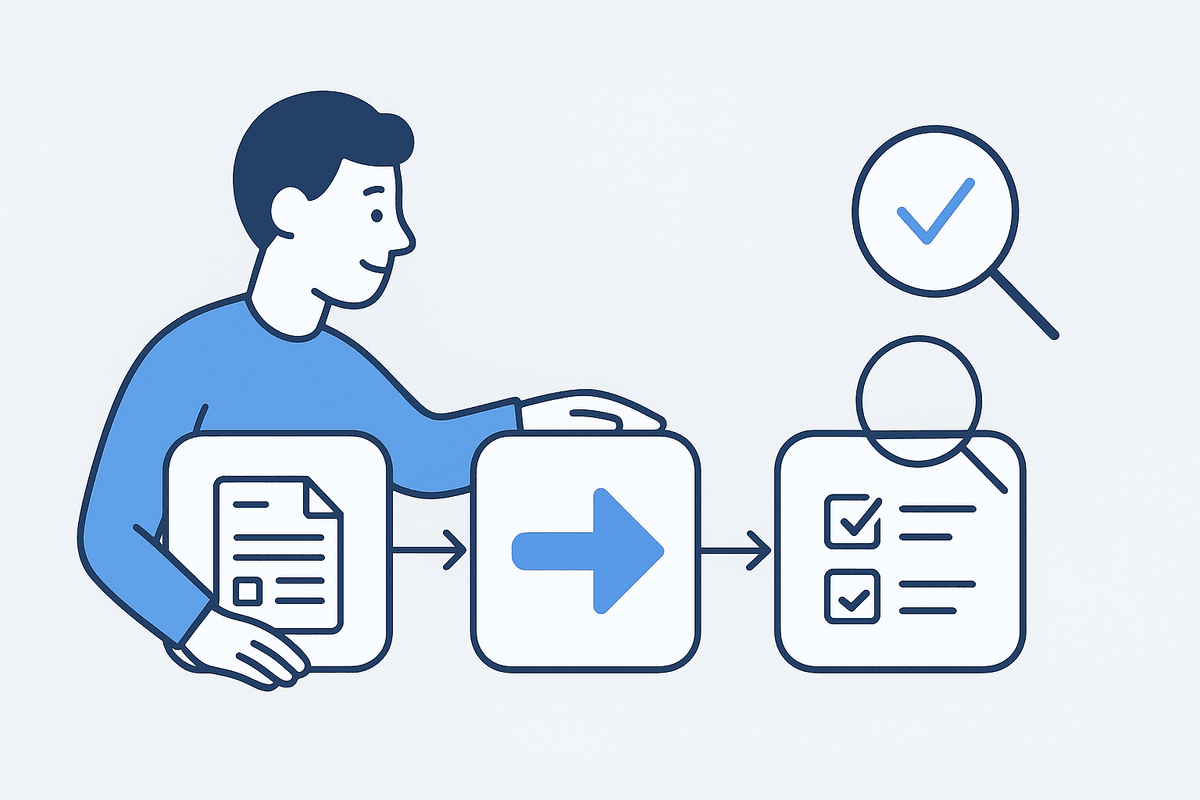






Have you ever spent all your time gathering background material before you could even build a strategy? AI prompts aren’t a tool that spits out sentences; they’re a partner that structures a marketer’s thinking. If you have no energy left for the execution stage that actually matters, just asking well can sharply reduce your planning bottleneck.
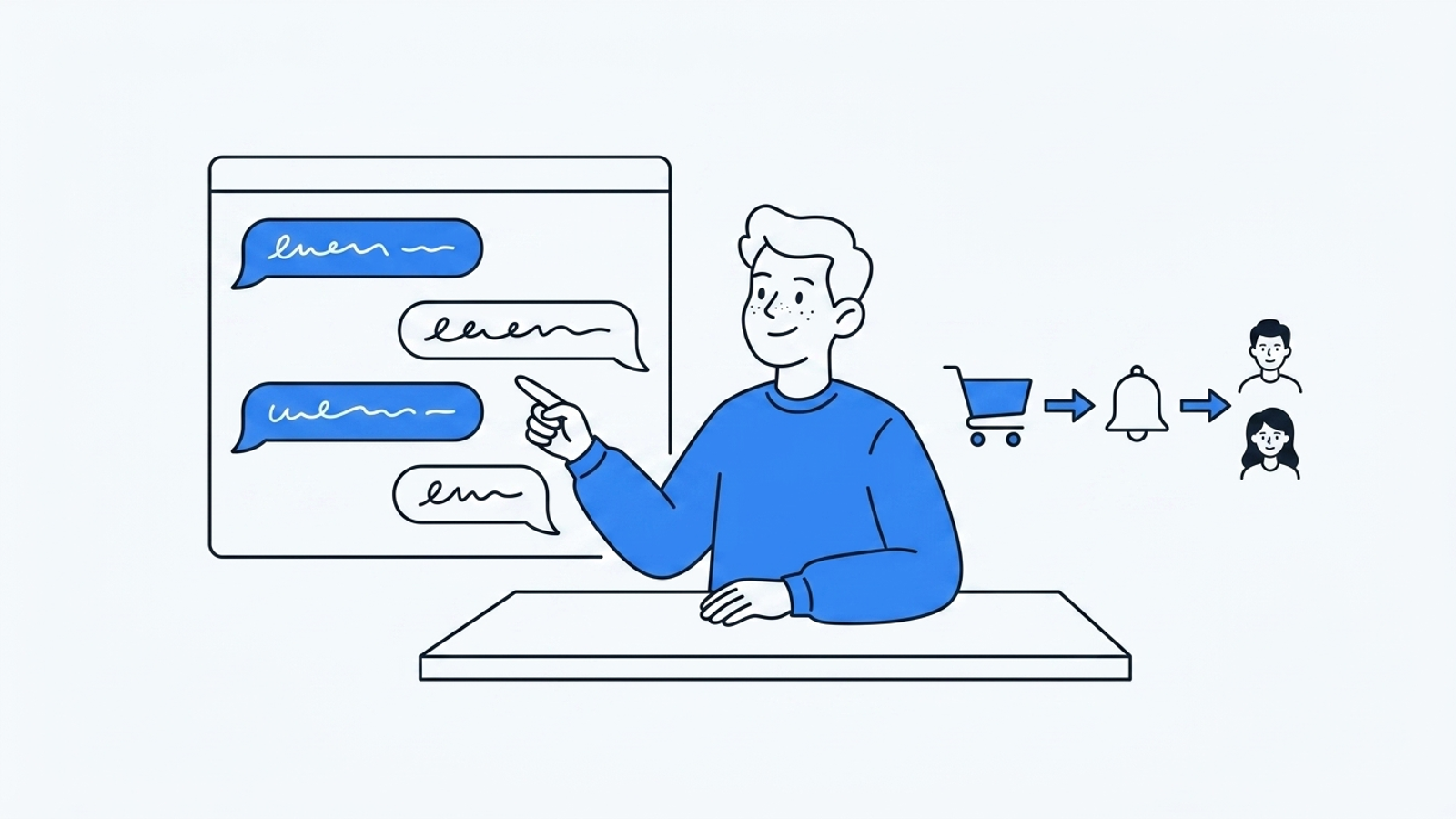
“Prompting skill,” the ability to work well with generative AI, is now a core competency for marketers [1]. Here are five you can use on the job right away.
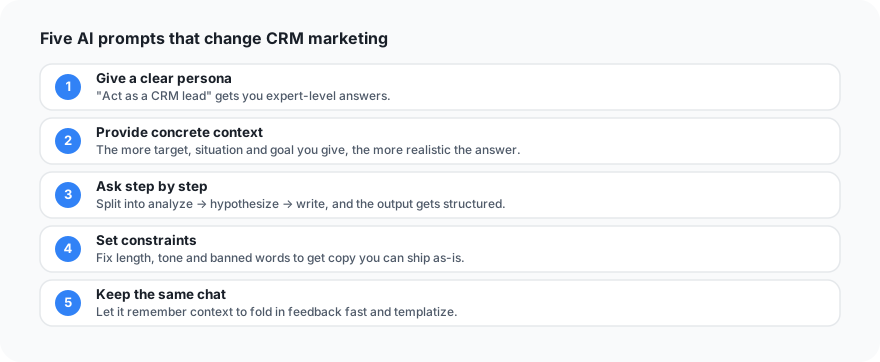
At a glance
| Principle | Why it’s needed | Example |
|---|---|---|
| 1. Assign a persona | Give it a role and you get a practical plan instead of vague generalities | “You’re a data-driven CRM marketing lead…” |
| 2. Give specific context | Without context, AI answers with the average | “We’re a vegan cosmetics e-commerce brand targeting women in their 20s…” |
| 3. Ask step by step | Throw everything at once and the results get jumbled | “First, analyze three reasons for churn. Then…” |
| 4. Set constraints | Without constraints, you get copy that looks good but can’t be used | “Under 20 characters, leave out words like ‘free’…” |
| 5. Stay in the same chat | It remembers earlier context, so feedback gets applied faster | “That last message leans too much on just delivering information…” |
1. Assign a clear persona
Give AI a role first and the quality of its answers changes [1]. Tell it to answer “like an expert who knows marketing frameworks,” and you get a practical plan instead of vague generalities.
Example: “You’re a CRM marketing lead who values data-driven decisions. Build a push message strategy to raise conversion among customers who abandoned their carts.”
2. Give specific context
The more detail you give about the business situation, target customer, and campaign goal, the more realistic the answer. Without context, AI has no choice but to answer with the average.
Example: “We’re a vegan cosmetics e-commerce brand targeting women in their 20s. We want to nudge customers who haven’t made a first purchase within 7 days of signing up to use their welcome coupon.”
3. Ask step by step
Don’t throw a complex task at it all at once; break it up [2]. Split it into steps, target analysis → hypothesis → copywriting, and the results come out structured.
Example: “First, analyze three reasons customers haven’t used their welcome coupon. Then write response copy for each reason as bullets.”
4. Set constraints
Spell out banned words, tone and manner, and channel limits, and you get a plan you can execute right away. Without constraints, it’s easy to get copy that looks good but can’t be used.
Example: “Keep it under 20 characters to fit an app push. Leave out words like ‘free’ and ‘no charge,’ and keep a polished tone.”
5. Stay in the same chat
Keep the conversation going and AI remembers the earlier context. You can apply feedback quickly, and you can reuse a flow that worked well as a template.
Example: “That last message leans too much on just delivering information. This time, rewrite it as benefit-focused copy that sparks curiosity and drives app clicks.”
In short
The heart of AI prompting is “knowing how to ask well.” Give it a role, fill in the context, break it into steps, set constraints, and keep the conversation going, and the same AI produces completely different results. Going forward, CRM marketing will move toward handing repetitive operations to AI while marketers focus on strategy that differentiates the customer experience.
Consistent, on-brand content, from strategy to publishing, in one place. Start with Trail Studio.
For related reading, see The P-E-V workflow: reducing LLM classification errors with plan-execute-verify, 6 copy principles that drive clicks: keep CTAs light and numbers specific, and 10 copywriting psychology principles: how to use loss aversion, anchoring, and social proof in copy.
References
FAQ
Do I have to use all five prompts every time?
No. Pick based on how hard the task is. For simple copy, persona plus context is enough; for complex campaign planning, add step-by-step questions and constraints.
Are these prompts only for CRM marketing?
No. Assigning a persona, giving context, asking step by step, setting constraints, and staying in one chat apply as is to most marketing prompts, including copywriting, content planning, and research.
Can I publish AI-written copy as is?
Even for output where you gave clear constraints (tone, banned words, character limits), we recommend a person do the final review. Check the brand tone and facts once more before publishing.